
28/06/2025
Resilience through innovation: Europe's clean tech ecosystem gains ground
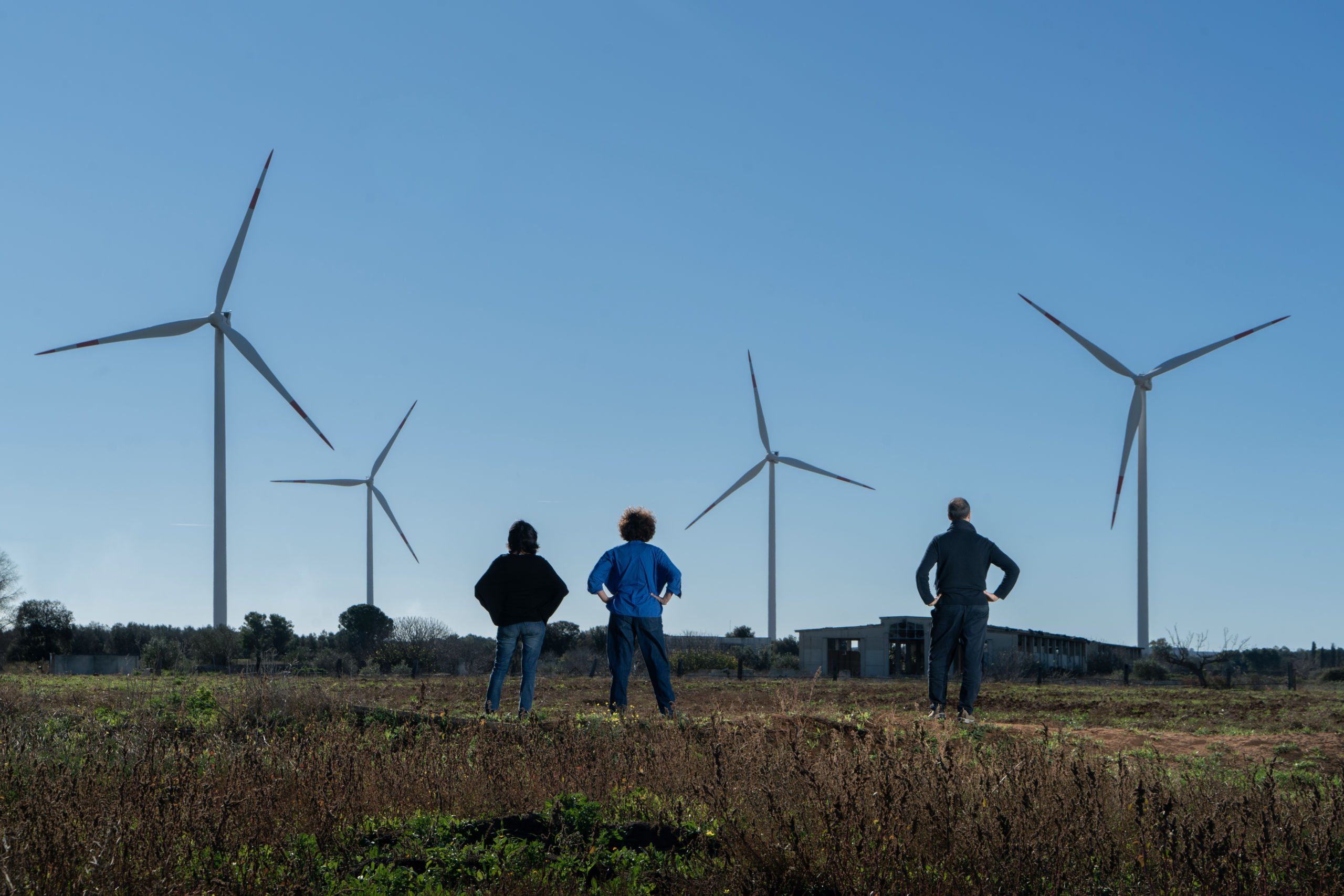
Across Eastern Europe, a quiet but significant transformation is underway. A few years ago, community energy in Eastern Europe was largely uncharted territory. Despite the appetite from citizens, municipalities and other stakeholders to develop renewable projects with a strong local value component, the legislation and support schemes were largely absent. The pioneers had to surmount significant barriers to bring to life the first community energy projects.
Acknowledging the gap, and the huge potential for change in the region, ECF moved to help fill it. Over the years, the foundation has acted as a strategic grantmaker, thought leader, network enabler and narrative shaper: funding partners in multiple countries, supporting policy progress, convening actors, and helping stories of citizen-led action travel further.
Building strong movements take time, but the rewards are significant. Recent developments across the region show what sustained, patient investment in an emerging field can deliver.
Building the movement: four years of the European Energy Communities Forum
Since 2023, the now annual Energy Communities Forum brings together practitioners, policymakers, researchers and advocates from across Europe to share knowledge, strengthen networks and push for better conditions for community energy. ECF has backed the Forum since its very first edition, four years ago, as part of a long-term commitment to helping the movement grow in depth and influence.
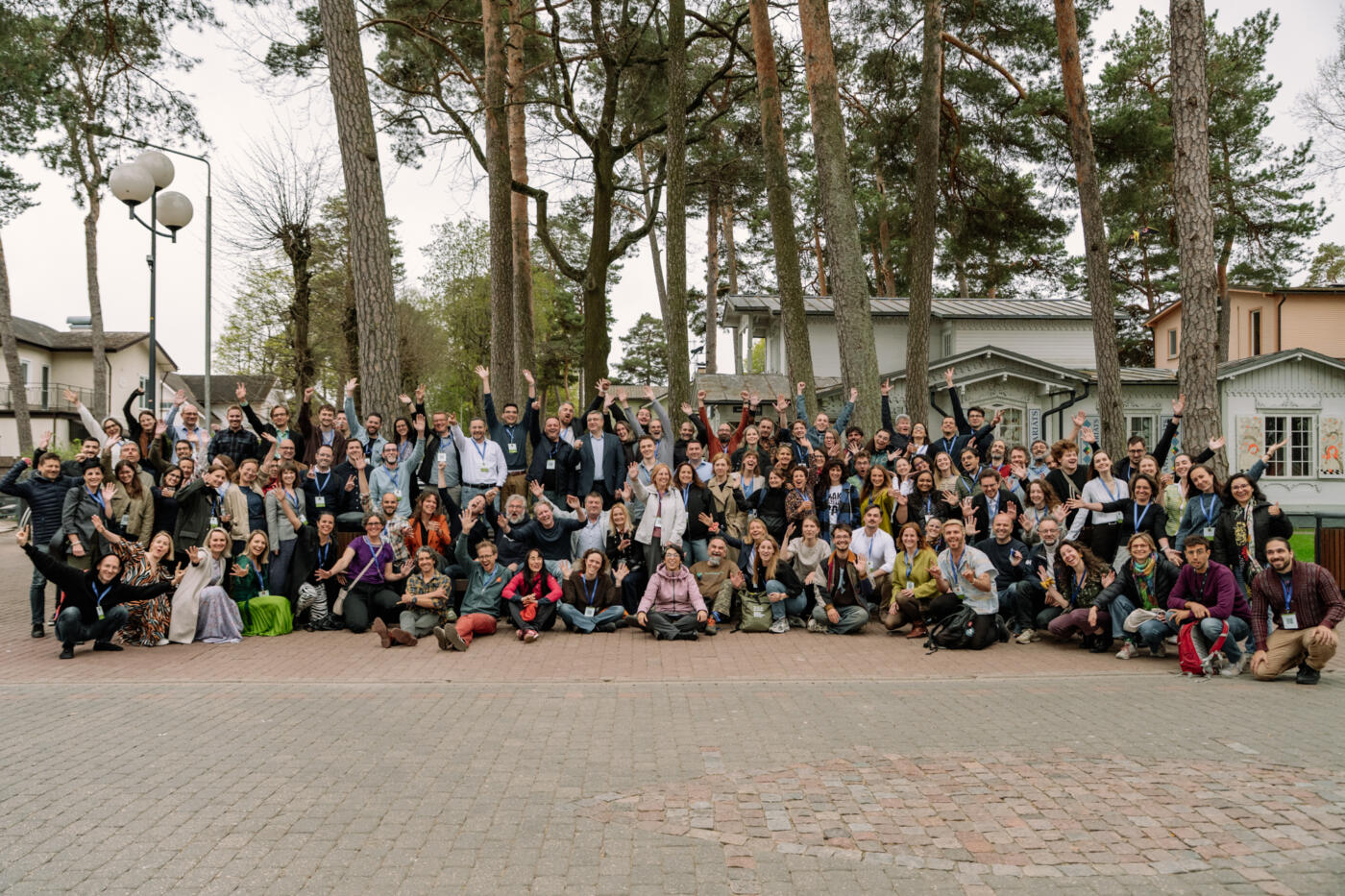
This year’s gathering, held in Jūrmala, Latvia and organised by REScoop.eu in partnership with the Latvian Rural Forum, drew nearly 200 participants. Latvia’s Minister for Climate and Energy opened the Forum with a strong signal of political support, underlining the role of locally produced energy in building resilience. EU-level representatives from DG ENER and the European Court of Auditors offered a nuanced picture: real ambition at the European level, but a persistent implementation gap that the community energy movement knows well. National perspectives completed the picture, highlighting both the barriers that remain and the significant progress this model has made in recent years.
The Forum put particular focus on rural areas, where community energy holds some of its greatest potential. Dedicated sessions on storytelling and narrative-building gave energy communities and supporting organisations tools to make their stories of impact travel further, in recognition that visibility, awareness and public support matter as much as legislation.
On the sidelines, ECF convened its network of community energy partners for an annual Partners Day — a space for sharing challenges and good practices, and for building collective capacity. This year’s gathering included a digital storytelling workshop, helping partners develop messages that resonate with the people they are trying to reach and explore how digital tools can amplify local stories into wider influence.
Results on the ground: legislation catching up with ambition
The years of awareness raising and capacity building are now translating into concrete legislative recognition across the region.
In Romania, landmark legislation passed in late 2025 established for the first time a clear legal basis for energy communities, followed by a dedicated €170 million funding call for local governments in Just Transition areas. ECF partners Greenpeace Romania and Cooperativa de Energie were central to securing this progress, through sustained advocacy and direct work with local authorities.
In Poland, a legislative change now opens the door to urban energy communities for the first time, a breakthrough driven in large part by ECF partner Polish Green Network. In Czechia, partners Frank Bold and Hnutí Duha played a central role in bringing electricity sharing into practical operation in 2024
With the legal basis now in place, communities can begin developing renewable energy projects that suit their needs, supplying them with affordable and clean electricity and allowing them to reinvest the benefits where they are needed most.
A movement gaining ground
What the Forum in Jūrmala and the legislative wins across Eastern Europe share is a sense of momentum, rooted in years of grassroots organising and patient coalition-building, and increasingly recognised at political levels.
The direction of travel is clear, even if much work remains. Implementation is the keyword going forward, and ensuring that the people these projects are meant to serve are the ones leading the way.