
28/06/2025
Resilience through innovation: Europe's clean tech ecosystem gains ground
As the summer travel season winds down across the world, the emissions left in its wake remain. With millions having taken to the skies and roads—and transport still one of the continent’s biggest sources of pollution—Europe faces a pressing question: how can we keep people moving while protecting the planet?
Across the continent, new solutions are emerging that could transform how we move, making transport cleaner, more affordable, and fairer. From innovation in aviation to advances in electric mobility, we have the tools to reduce environmental impact while improving everyday lives. With our partners, we’re working to ensure this transition works for people, the planet, and local economies alike.

Flying holds cultural significance but significantly contributes to climate change. As cleaner alternatives emerge, climate policies must reflect real-world values: cutting aviation emissions is crucial to meeting the Paris Agreement goals, but solutions must be fair, ensuring everyday travellers aren’t disproportionately burdened while high-emitting jetsetters remain untouched.
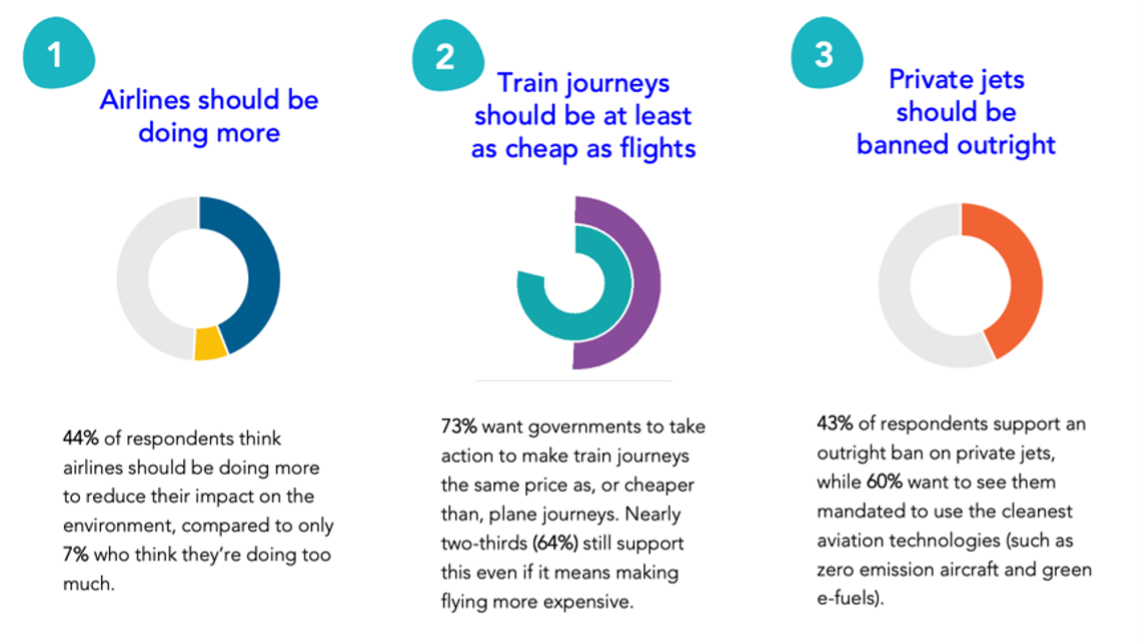
To better understand this evolving landscape, we partnered with leading researchers More in Common and Our Common Home and civil society organisations to better understand public sentiment around flying and climate. Through polling and media analysis, our findings showed that nearly half of the respondents thought airlines should do more to cut emissions, and most supported cheaper train travel.
This sentiment was echoed at the International Conference on Financing for Development earlier in June, where the Global Solidarity Levies Task Force, backed by France, Spain, and Barbados and supported by ECF, launched a new aviation solidarity coalition. This bold initiative will explore new levies on premium flyers, aiming to generate vital funds for a just and fair climate transition.
“New levies on premium flyers can raise vital funds for climate and development. In the current context, everybody is pessimistic, saying we cannot do anything. Today’s announcement is proof that we can make progress.”
– Laurence Tubiana, CEO ECF
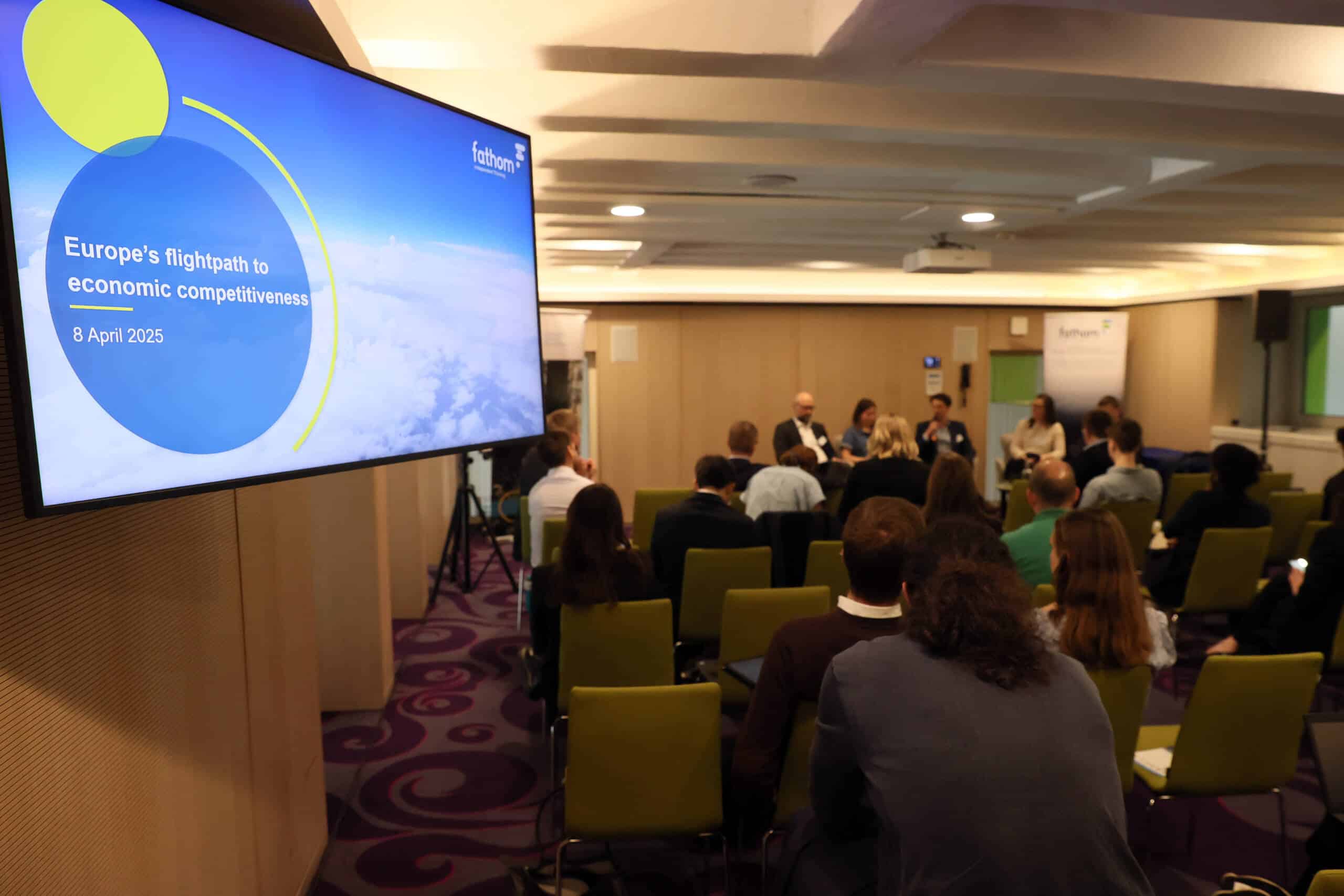
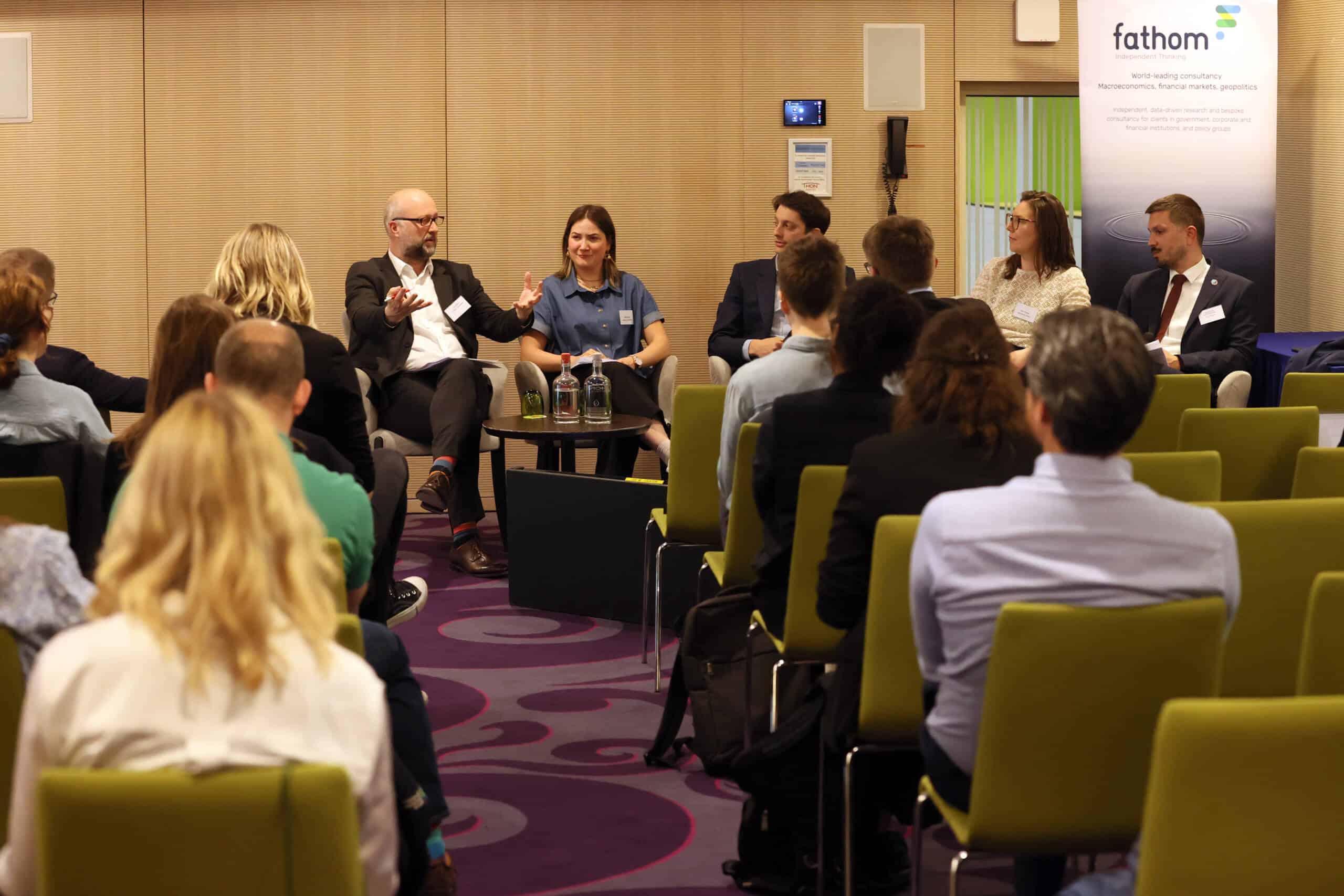
At the same time, innovation is taking off. With Fathom Consulting, we supported the development of the Aviation Decarbonisation Model, a new interactive tool that analyses the costs and benefits of different pathways for decarbonising the aviation industry. Beyond tackling emissions, the perspective offered by this model demonstrates the long-term economic potential of clean aviation for Europe’s competitiveness.
In addition to tackling aviation, it’s imperative to transform how we move on the ground too. Across Europe, we’re working to support this shift by accelerating electric mobility, strengthening public transport, and ensuring the transition creates good jobs while avoiding harmful resource extraction.
In Spain, for instance, momentum continues to grow. In Mallorca, a recent E-Mobility Forum brought together car rental companies, public administrations and experts in electric mobility to explore how to accelerate the electrification of fleets in tourist destinations. And in Madrid, a national conference examined how policy and innovation can help electrify transport systems across the country.
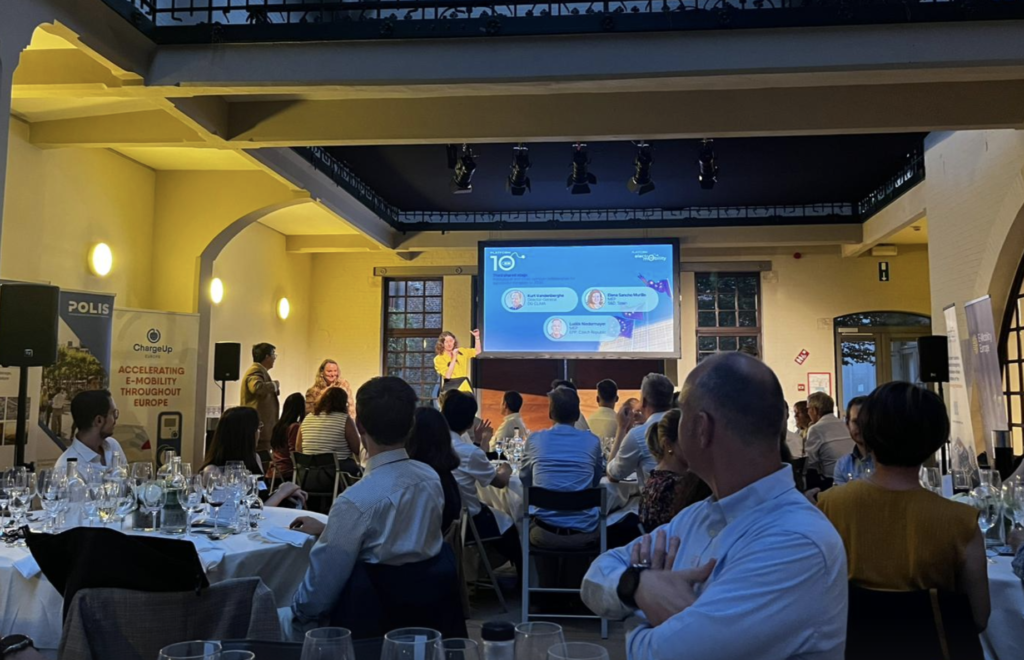
This year also marked the 10th anniversary of the Platform for Electromobility, a unique cross-sector coalition supported by the ECF that has played a key role in shaping EU policy, including the 2035 target for zero-emission vehicles. Uniting over 40 organisations, the Platform has driven real progress over the last decade, from expanding charging infrastructure to boosting electric public transport. Notably, it has also helped highlight the socio-economic benefits of the transition, with the shift to cleaner mobility expected to create 162,000 new jobs by 2030 across areas like fleet electrification and smart grids.
The shift away from high-emission travel isn’t just about reducing carbon — it’s about creating healthier, more equitable, and more liveable communities. Clean transport must be designed for everyone, including those in rural areas, people on lower incomes, and individuals with limited mobility. Achieving this requires action and commitment at every level: local, national, and European.
The coming months will be crucial in shaping how — and how fairly — this transition unfolds. EU negotiations on vehicle emissions standards, sustainable battery rules, and transport infrastructure funding will help determine the shape of this transition for years to come.