
28/06/2025
Resilience through innovation: Europe's clean tech ecosystem gains ground
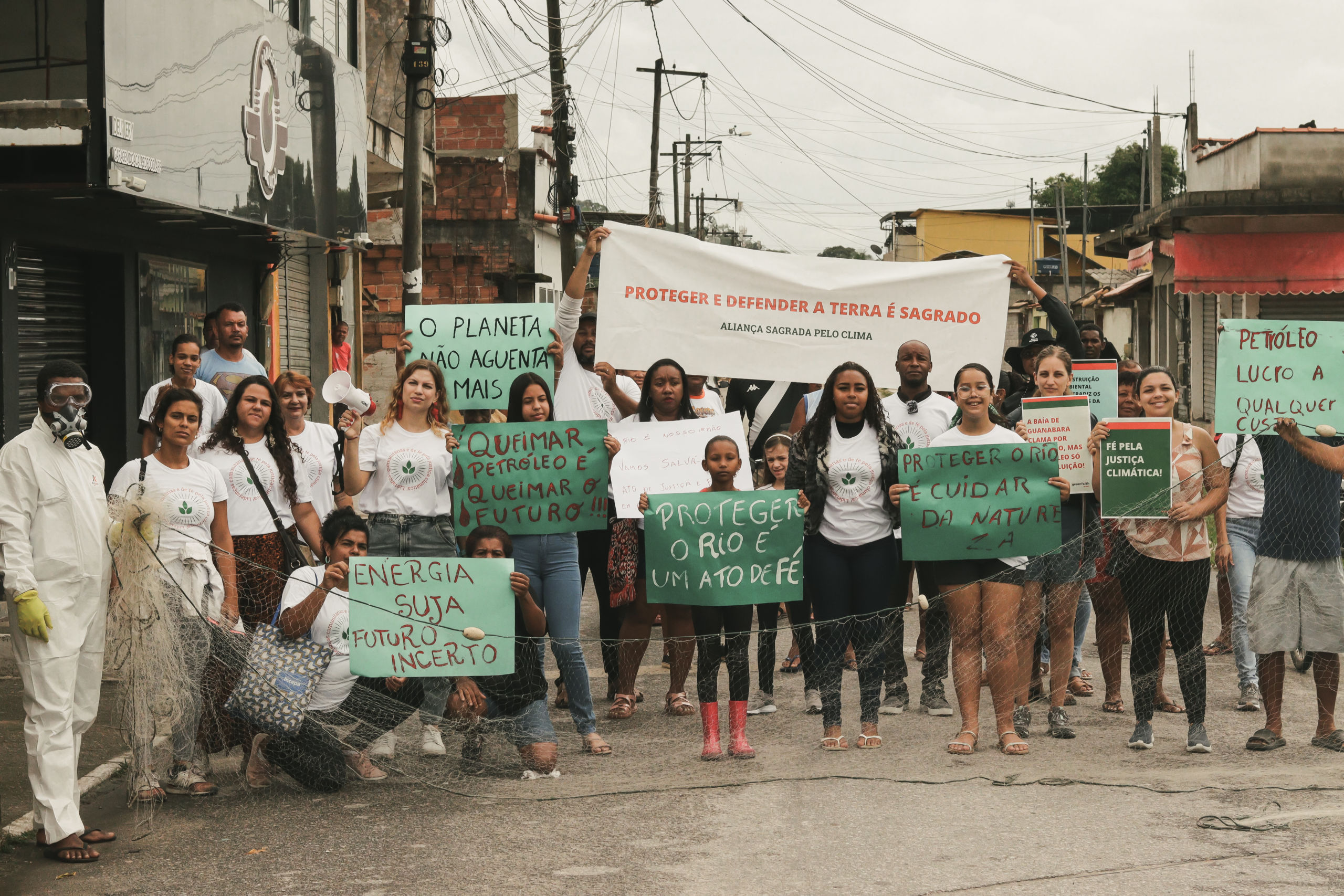
Faith leaders in Brazil and Nigeria are emerging as increasingly influential actors in climate advocacy, following a multi‑year effort to strengthen coordinated, cross‑faith engagement in both countries.
The initiative, supported by the European Climate Foundation (ECF) through its Global Initiatives funding, has enabled GreenFaith to shift from fragmented engagement to sustained, transnational mobilisation between 2024 and 2026. The effort comes at a critical time, as both countries face worsening climate impacts alongside continued fossil fuel expansion and uneven progress on climate commitments.
In Brazil, 2024 presented a key political window ahead of G20 discussions and COP30 preparations. Severe forest fires and contested energy policy decisions heightened urgency for climate action. With ECF support, GreenFaith rapidly convened a diverse group of religious leaders through webinars, a multi‑faith gathering in Brasília, and joint advocacy efforts. This included a collective letter and direct engagement with the Minister of the Environment, demonstrating that faith actors can secure both political access and public legitimacy.
Following this initial success, the initiative has expanded into a broader effort to consolidate and scale faith‑based organising. Through 2025 and 2026, activities have focused on coalition‑building, leadership training in advocacy and media engagement, and coordinated interventions at key policy moments.
In Nigeria, where climate challenges include flooding, desertification, and pollution in fossil fuel regions, the project has progressed from interfaith dialogue to structured participation in national energy transition discussions. Religious leaders and frontline community representatives are now more actively engaged in shaping debates around fossil fuel dependence and sustainable alternatives.
The programme has been strengthened by partnerships with national and grassroots organisations. In Brazil, collaboration with groups such as Casa Galileia, ISER, and IRI‑Brazil led to the formation of the Sacred Climate Alliance, bringing together Catholic, Evangelical, Afro‑Brazilian, Indigenous, and Protestant actors. In Nigeria, GreenFaith has connected faith leaders with civil society networks and communities directly affected by fossil fuel extraction.
A key lesson from the initiative has been the importance of sequencing and flexibility. Early, targeted interventions helped build credibility and alignment among diverse stakeholders, enabling more sustained organising over time. Participatory approaches, including joint priority‑setting and collaborative letter‑writing, are essential for sustaining alignment across faith traditions and national contexts.
Overall, the initiative highlights the growing role of faith communities as a credible and organised constituency for climate justice. By combining moral authority with grassroots reach and increasingly sophisticated advocacy skills, faith leaders in Brazil and Nigeria are helping to influence public discourse and policy in the lead‑up to major climate milestones, including COP30.