
28/06/2025
Resilience through innovation: Europe's clean tech ecosystem gains ground
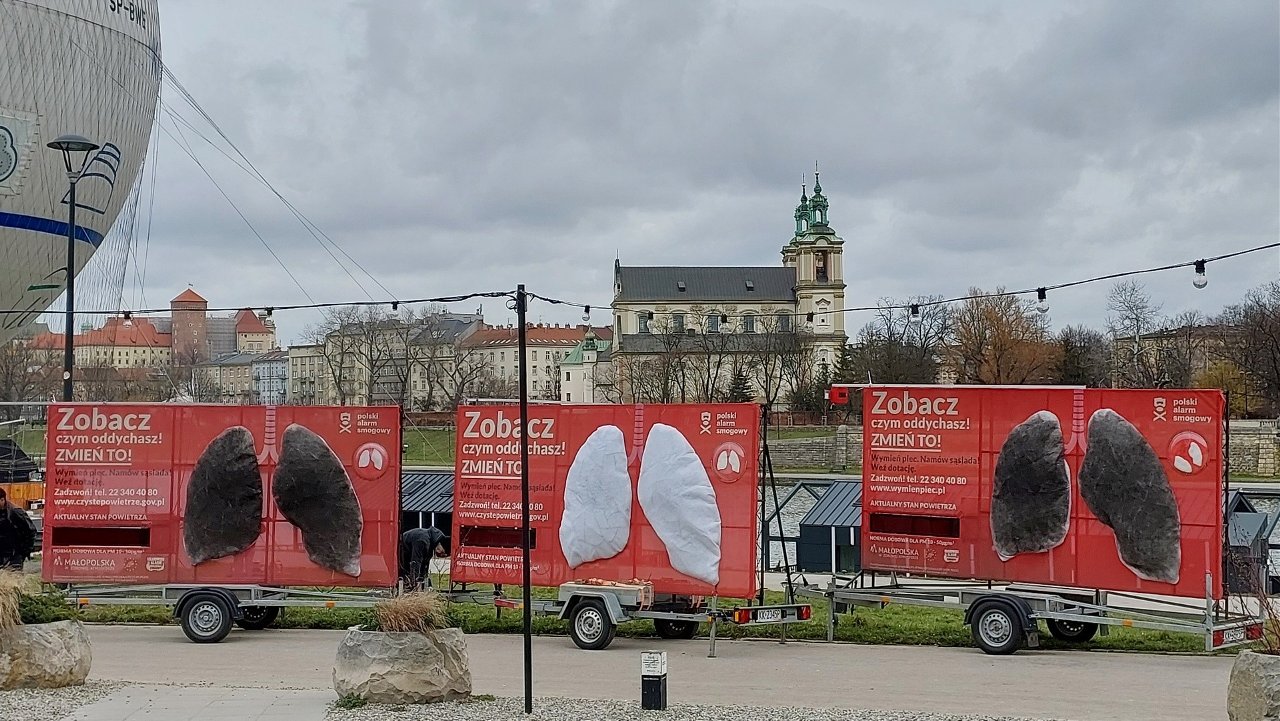
In the winter of 2012, Kraków was facing one of the most severe urban air‑quality crises in Europe. Daily PM10 concentrations routinely soared to 200–400 μg/m³—up to eight times the EU’s legal limit. In December that year, only three days met air‑quality standards, and annual pollution limits were breached on as many as 120 to 200 days. Behind the choking smog were more than 30,000 coal‑fired household stoves, responsible for the vast majority of local particulate pollution and an estimated 95% of carcinogenic benzo(a)pyrene emissions—at levels ten times above EU safety thresholds.
Out of this crisis emerged Krakowski Alarm Smogowy (Kraków Smog Alert, KSA), a grassroots movement that set out to turn scientific evidence into political action. Its goals were concrete and ambitious: reduce particulate pollution, eliminate the dirtiest household heating sources, and secure enforceable local and regional regulation. It started with a citywide ban on coal burning.
Then, the work turned from rigorous data to civic mobilisation. Residents marched, protested, and demanded their right to clean air. Doctors, scientists, artists, and journalists joined forces, reframing smog from an environmental nuisance into a public‑health emergency.
The European Climate Foundation (ECF) played a critical role in amplifying this civic momentum. By consistently supporting KSA over more than a decade, ECF helped turn episodic protest into durable, results‑oriented advocacy. A core part of this success was building an ecosystem of complementary actors around KSA.
The Institute of Environmental Economics (IEE) served as the analytical backbone of the movement, providing economic modelling, emissions analysis, and detailed programme design. This enabled advocacy grounded in practical, implementable policies, such as boiler replacement schemes, energy‑efficiency upgrades, and clean transport rather than abstract demands.
Health sector engagement proved decisive. With ECF backing, KSA catalysed a Ministry of Health expert task force that reframed air pollution as a direct driver of disease and premature death. Medical professionals became trusted public voices, opening political space that environmental NGOs alone had struggled to reach. This shift influenced coal‑quality standards, health‑cost reporting, and pollution alert thresholds across Poland.
Crucially, local governments were partners, not adversaries. Cities such as Kraków and Warsaw worked directly with KSA on coal bans and low‑emission zones, while regional authorities adopted anti‑smog resolutions and action plans. Strategic communications and digital campaigning extended the movement’s reach, reinforcing new social norms around clean heating and transport.
The results are tangible. Approximately 30,000 coal and wood‑burning stoves have been removed from Kraków. According to recent research, these measures are estimated to have saved around 6,000 lives. What began as a local struggle has evolved into a scalable model for citizen‑led, data‑driven climate and health action.
More than a decade on, Kraków’s story shows that when evidence, civic pressure, and well‑designed policy solutions converge, cities can move from smog‑choked winters to cleaner air—and healthier futures.